


Water Softener Systems Installation & Maintenance Services in the UAE

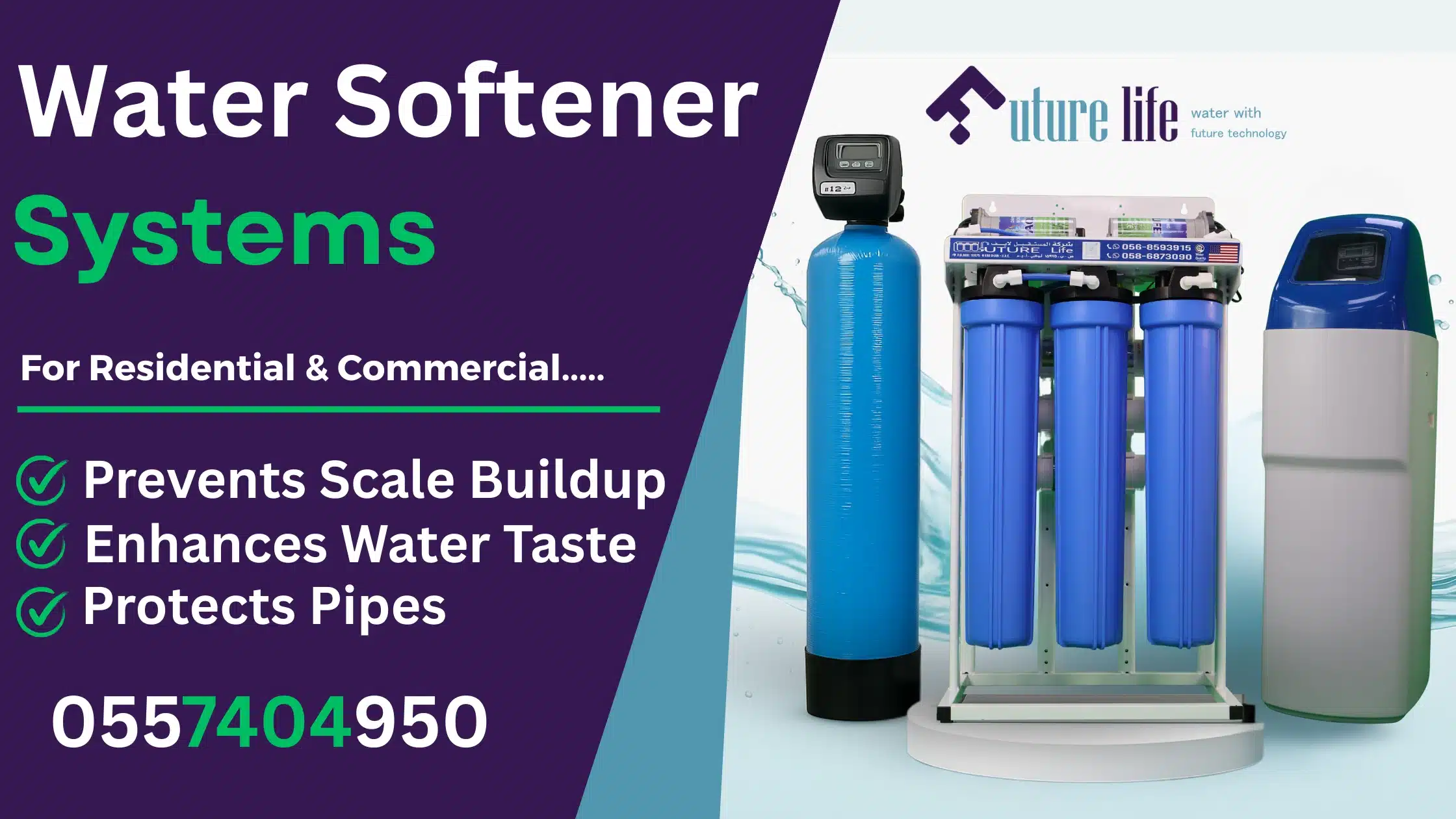
Did you know that over 70% of homes in the UAE experience issues with hard water, including scale build-up, dry skin, and appliance damage? With the region’s reliance on desalination and high mineral content in water sources, it’s no surprise that calcium and magnesium wreak havoc on plumbing, appliances, and even your skin.
Investing in a water softener system is a simple yet effective solution to these common problems. By reducing mineral levels, water softeners protect your home, your health, and your wallet, eliminating the need for frequent appliance repairs and reducing scale buildup on your bathroom fixtures.
What Is Water Softening?
Water softening is the process of removing the hard minerals, primarily calcium and magnesium, from your water. These minerals, while harmless to drink, cause significant issues in both your home and your plumbing systems.
What is the Water Softening Process?
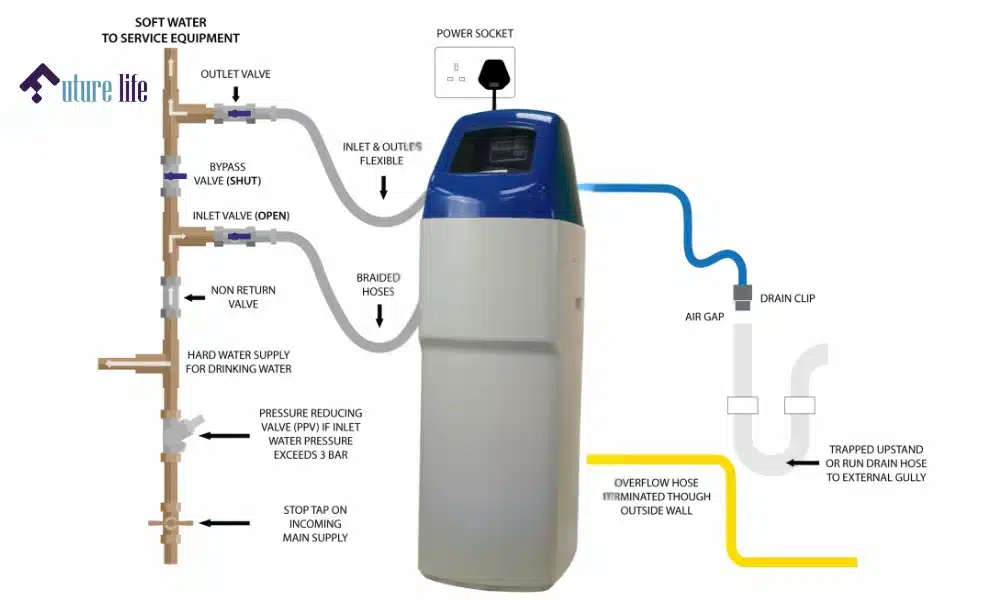
Water softeners primarily use an ion exchange process, which swaps calcium and magnesium ions with sodium or potassium ions. This process effectively "softens" the water, preventing it from forming scale in pipes and appliances. The softened water flows more smoothly through your plumbing and will not form the stubborn build-up that typically damages faucets, dishwashers, and water heaters.
What is the Purpose of a Water Softener?
The purpose of a water softener is simple: to make water more suitable for household use. By removing calcium and magnesium, it helps protect plumbing, extends the lifespan of appliances, and eliminates common hard water issues like scale build-up and staining. In addition to appliance protection, it also improves your water’s feel on your skin and hair, leading to softer skin and shinier hair.
Soft water also improves the effectiveness of soap and detergents, meaning you can use less product to get the same results. This leads to cost savings over time while also reducing your carbon footprint by using fewer chemicals.
Top Methods of Water Softening
There are a few methods to soften your water, and understanding the options available will help you decide the best system for your home or business.
1. Ion Exchange Systems
Ion exchange is the most common method used in homes today. In this process, water flows through a tank filled with resin beads, which are charged with sodium ions. As water passes through the beads, calcium and magnesium ions are exchanged with sodium ions, effectively softening the water. This method is highly effective in regions like the UAE, where hard water is prevalent.
Advantages:
Proven, reliable technology.
Highly effective in softening water for large households or commercial spaces.
Often paired with filtration systems for cleaner water.
2. Salt-Free Water Softeners
Salt-free systems use a different approach by using template-assisted crystallization (TAC) to neutralize minerals in water. Rather than removing calcium and magnesium, they crystallize these minerals so they don’t bond to surfaces and cause scale build-up.
Advantages:
No salt required, making them more eco-friendly.
Easier to maintain with fewer chemical processes.
3. Reverse Osmosis (RO) Systems
Reverse osmosis works by forcing water through a semipermeable membrane, which filters out contaminants, including minerals like calcium and magnesium. This method is often used for drinking water systems but can be part of a larger water softening solution.
Advantages:
Highly effective for drinking water.
Removes a wide range of contaminants in addition to softening water.
Which is the best water softening method?
The best method depends on your needs. Ion exchange systems are typically the most effective for large-scale residential or commercial softening. However, salt-free systems are ideal for eco-conscious households, and RO systems are excellent for purifying drinking water.What are the three methods of water softening?
Ion Exchange
Salt-Free Systems (TAC)
Reverse Osmosis
Is a Water Softener Worth It?
Now that you understand how water softeners work, you may be wondering whether they’re worth the investment. Let’s look at the benefits:
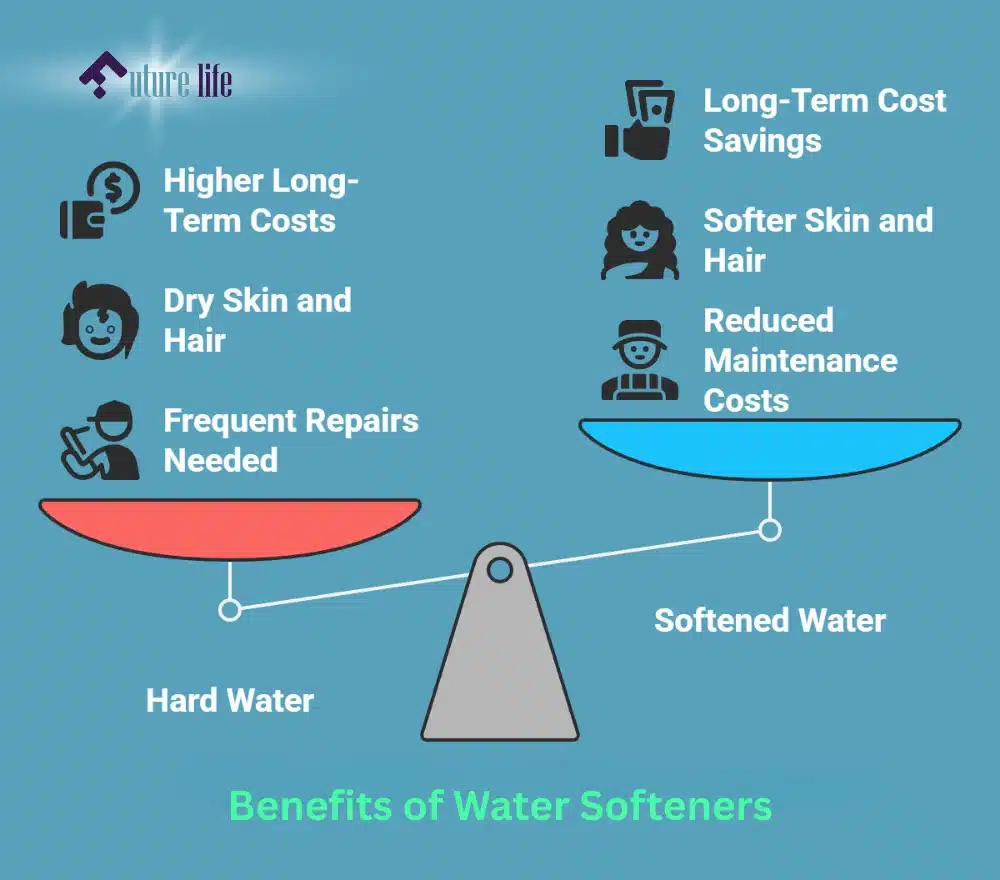
1. Reduced Maintenance Costs
One of the main benefits of installing a water softener system for home use is the reduction in maintenance costs. Hard water causes a build-up of mineral deposits inside pipes, water heaters, dishwashers, and washing machines, leading to frequent repairs. By softening the water, you can extend the life of your appliances and plumbing.
2. Softer Skin and Shinier Hair
Hard water can make skin dry and irritated and hair rough and lifeless. Softened water, on the other hand, helps your skin retain moisture and your hair stay silky smooth.
3. Long-Term Cost Savings
Though installing a water softener system requires an initial investment, the long-term cost savings outweigh the expense. With fewer appliance repairs, reduced soap and detergent usage, and longer-lasting plumbing, a water softener is a smart investment that saves money over time.
Is it worth putting a water softener in your house?
Yes, especially in areas with very hard water. The savings in maintenance and the improvements in water quality for your skin and appliances make it a valuable addition to your home.
What is the downside of a water softener?
Some potential downsides include the need for periodic maintenance and the cost of purchasing salt for ion-exchange systems. Additionally, softened water may not be ideal for drinking in some cases, as it contains sodium. However, this can be addressed with additional filtration systems.
System Types & Installation Options
When choosing a water softener, you’ll need to decide between different system types and installation options. Here’s what to consider:
Whole-House Water Softeners
A whole-house water softener system treats all the water entering your home, ensuring that every faucet, shower, and appliance uses softened water. These systems are ideal for large homes, villas, or commercial properties.
Under-Sink Water Softeners
For smaller homes or apartments, under-sink water softeners are more compact and fit neatly under the sink. These systems are designed to provide soft water for drinking and cooking but don’t treat the entire home’s water supply.
Installation Options:
Professional installation is recommended for whole-house systems to ensure proper integration with your home’s plumbing.
DIY kits are available for under-sink systems, but professional installation can still save time and effort.
How much does a whole house water softener system cost?
The cost of a whole-house water softener system varies based on the size of the system, the method used, and your home’s water usage. Typically, installation costs range from AED 3,000 to AED 8,000, including the system itself. However, the long-term savings in reduced maintenance and appliance repairs make this a worthwhile investment.
What We Offer
At Future Life, we provide comprehensive water softener installation and maintenance services in the UAE. Our solutions ensure that your water quality is improved, your plumbing is protected, and your appliances last longer. Here's how we can help:
Professional Site Inspection & Consultation: Our experts will evaluate your water quality and recommend the most suitable water softener solution for your needs.
Certified Installation: We offer professional water softener installation, ensuring your system is integrated efficiently and meets all local regulations.
Scheduled Maintenance: We offer maintenance plans to keep your system in top condition, including resin replacements, salt refills, and more.
Local Support: Our team is always available to answer questions and provide quick responses to any issues.
For a comprehensive and effective solution to your water softening and filtration needs, we recommend integrating the Clack WS1 Central Water Filtration System or the Big Blue 3-Stage Jumbo Water Filter with your softener system. These high-performance filters, combined with our FRP Water Softener Tank for Desalination, ensure that your home or business receives pure, soft, and clean water, protecting your appliances and plumbing from the harmful effects of hard water.
A Case Study | Villa Installation in Al Ain
Client: A 5-bedroom villa in Al Ain
Problem: White scale build-up in bathrooms, high appliance maintenance
Solution: Whole-house ion-exchange softener system installed, with monthly checkups
Result: Significant reduction in cleaning time, improved skin condition, and extended appliance lifespan. The villa owner reported that the water quality improved drastically, and the system paid for itself in reduced maintenance costs within the first year.
Questions We Always Receive
What is a water softener system for home?
A water softener system for home uses ion exchange, reverse osmosis, or salt-free methods to reduce calcium and magnesium in the water, preventing damage to pipes, appliances, and improving water quality for personal use.
Is it safe to drink softened water?
Softened water contains sodium, which is typically safe for drinking in small amounts. However, for drinking water, it’s recommended to have a separate reverse osmosis (RO) system or remineralization filter to remove excess sodium.
Can water softeners remove chlorine or iron?
While water softeners primarily target calcium and magnesium, some systems also help remove chlorine and iron, especially when paired with additional filtration systems.
How often do I need to service my water softener?
Regular maintenance is necessary to ensure the water softener continues to work efficiently. We recommend servicing your water softener every 6–12 months, depending on the type and usage.
Future Life specialises in providing high-quality water softener systems installation and maintenance services across all UAE emirates, including Abu Dhabi, Dubai, Sharjah, Ajman, Umm Al Quwain, Ras Al Khaimah, and Fujairah.
Reach out today for a free consultation, and let us help you enjoy soft water that improves your home’s functionality and quality of life!
